

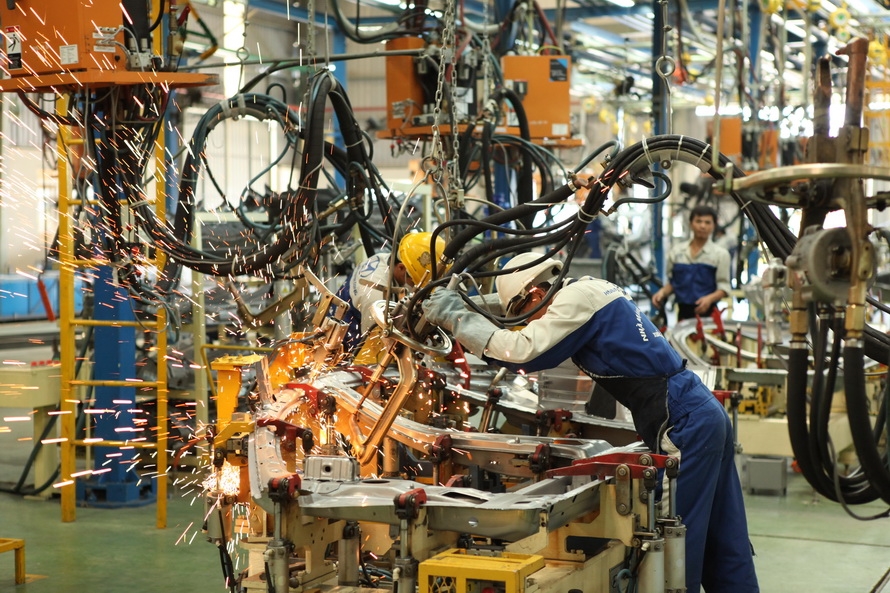
On 14 July 2025, the Government of Vietnam enacted Decree 205/2025/ND-CP, which amends and supplements Decree 111/2015/ND-CP concerning the development of supporting industries. This commendable policy reform, effective 1 September 2025, introduces an enriched regulatory framework aimed to elevate Vietnam’s capabilities in technology, innovation, and integration into global supply chains.
Realigning Policy with Industrial Reality
Supporting industries—comprising producers of essential inputs like components, spare parts, and tooling—are foundational to advanced manufacturing and export ecosystems. Yet historically, domestic players in this sector have lagged, meeting only 10%–15% of internal demand. Decree 205 responds decisively to this structural gap, offering both broader access to incentives and sharper eligibility criteria.
Strengthening Technology & Innovation Support
Under the new decree, organizations engaged in R&D, technology application, or innovation relevant to prioritized supporting industry products now qualify for funding from key national innovation bodies, including the National Technology Innovation Fund and the High-Tech Development Program. Further, it authorizes joint projects between enterprises and science-tech institutes to receive up to 50% funding for machinery, prototypes, software, training, IP development, and consultant support. Development of advisory capacity is also supported at up to 70% of incurred costs. This is a pivotal shift that underlines the government’s intent to stimulate tech transfer and boost technical sophistication across domestic firms.
Upgraded Incentives Framework
Decree 205 introduces a consolidated incentives model, expanding beyond SMEs to include large enterprises, provided they meet inclusion criteria that now incorporate four layers of eligibility: product category, technology standard, project readiness, and supplier engagement. In addition, previously restricted incentives tied to land and water surface rent, tax preferences, and environmental regulation adherence have now been streamlined and amplified.
Enhancing Quality, Compliance & ESG
Beyond innovation, the Decree recognizes the importance of quality assurance and environmental responsibility. Manufacturers of prioritized products can access support of up to 50% for testing and inspection expenses, quality system certifications, lab usage, branding elements like barcodes, and IP registrations. Moreover, projects aligning with environmental sustainability—especially in industrial parks or clusters—are eligible for broader environmental protection incentives.
Institutional Support & Legal Aid
The Decree also provides for legal assistance (e.g., simplified administrative procedures, legal advisory services) to SMEs engaged in supporting industry activity under the Law on Support for SMEs. Such measures are crucial, given that compliance and regulatory navigation often burden small enterprises disproportionately.

Strategic Implications for Businesses
-
SMEs gain greater market access: While Decree 205 removes some previous exclusivity of incentives reserved for SMEs, the “supplier engagement” clause encourages them to integrate into value chains as essential partners rather than mere beneficiaries.
-
Incentive-driven investment: The financial support for R&D, coupled with favorable terms on infrastructure, IP, and environmental compliance, substantially de-risks projects and strengthens investor ROI calculations.
-
Upgrading industrial base toward higher value-add: By funding testing, certifications, and brand development, the Decree nudges supporting industry firms toward export standards and competitiveness in global markets.
-
Improving enforcement clarity: Inclusion of clear eligibility criteria and consolidated incentive mechanisms encourages consistent regulatory enforcement and minimizes unpredictability—a key condition for strategic investment decisions.
Decree 205/2025/ND-CP represents a mature and forward-looking recalibration of Vietnam’s industrial policy. Not only does it deepen support to SMEs and techno-driven initiatives, but it also ensures inclusive growth through strategic supplier integration and streamlined incentives. For enterprises—domestic or foreign—this policy heralds an opportune moment to align their operations with Vietnam’s new industrial trajectory.
