

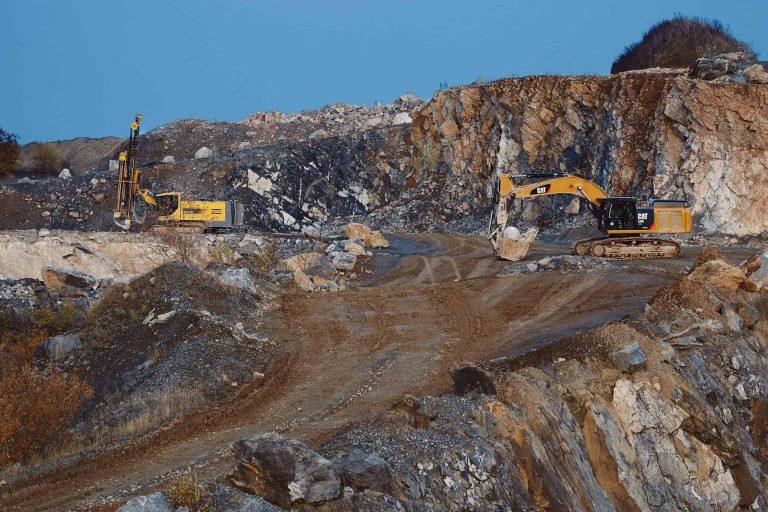
In an important regulatory development, the Vietnamese Government has issued Resolution No. 66.4/2025/NQ-CP to provide practical guidance on the enforcement of the 2024 Law on Geology and Minerals. The Resolution introduces a range of special mechanisms aimed at resolving longstanding procedural obstacles in mineral management, while ensuring that exploitation activities align with national priorities such as infrastructure development, public investment, and emergency response. The document will remain effective until 28 February 2027, serving as a transitional instrument to harmonize regulatory practice with the new legal framework under Decree No. 193/2025/NĐ-CP and subsequent sub-law guidance.
The core philosophy underpinning Resolution 66.4 is one of regulatory pragmatism. The Government recognizes that the rigid application of licensing and environmental assessment procedures has often delayed critical projects, particularly those classified as national or local priorities. Accordingly, the Resolution introduces targeted exemptions and procedural flexibilities for Group III and Group IV minerals, typically used in construction and infrastructure projects. These exemptions encompass the waiver of investment policy approvals, the removal of requirements to conform with land-use master plans (except in areas designated for national defense or security), and the exemption from both environmental impact assessment (EIA) and environmental licensing obligations. Such streamlining reflects a clear intent to expedite public investment and socio-economic development projects while retaining post-project accountability mechanisms.
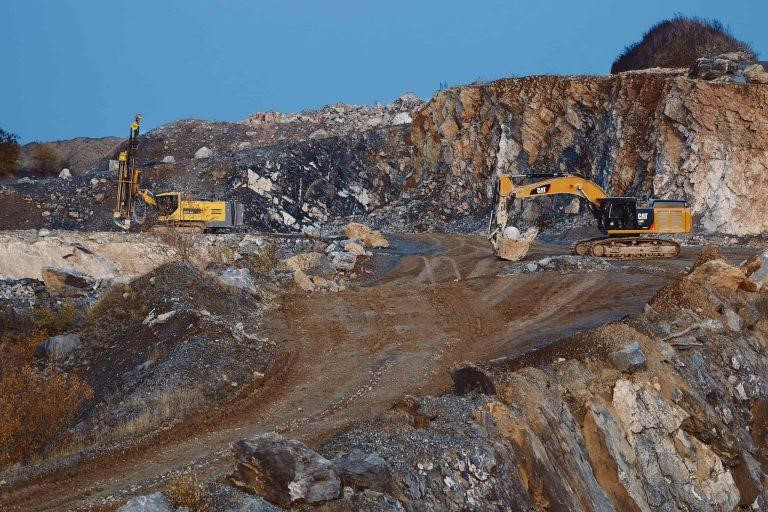
A noteworthy feature of the Resolution is the empowerment of provincial-level People’s Committees, which are now authorized to grant exploration and exploitation licenses for Group III and IV minerals. This decentralization of authority is coupled with the discretion to modify existing licenses to increase production capacity without altering approved reserves. The capacity increase may reach up to 50 percent for riverbed and coastal sand and gravel, and is unrestricted for other Group III and IV minerals. This marks a significant shift in Vietnam’s mineral governance model—one that favors local responsiveness and flexibility over rigid centralization. However, it also places a heavier compliance burden on provincial authorities to balance developmental imperatives with environmental stewardship and transparency.
In the context of national emergencies, including natural disasters, epidemics, and defense or security crises, the Resolution allows mineral exploiters to operate without undergoing the standard licensing process. Instead, they must submit post-operation reports to the relevant provincial People’s Committee, detailing the type and volume of minerals extracted and the specific mining locations. This “exempt first, report later” approach underscores the Government’s trust in immediate local action during crises while preserving traceability and accountability after the fact. Such flexibility is critical for ensuring the availability of construction materials and logistical resources in urgent national or regional situations.
Equally significant is the Government’s decision to permit exemptions from mineral rights auctions for certain materials. Specifically, Group III minerals used in construction, Group IV minerals destined for national projects, and strategic resources such as limestone and clay for cement production are all covered under this exemption if they fall within approved master plans. This measure is expected to accelerate material supply chains for infrastructure and defense projects but may also raise transparency concerns if not accompanied by strong auditing and disclosure mechanisms. The Resolution implicitly calls for the Ministry of Natural Resources and Environment (MONRE) and provincial departments to establish such safeguards in parallel with the new flexibilities.
Resolution 66.4 also addresses the need for transitional regulatory consistency. Mining licenses issued before Decree No. 193/2025/NĐ-CP may be amended to reflect changes in mineral processing technologies, purposes of use, or market conditions. Moreover, enterprises that submitted licensing applications before the approval of relevant mineral master plans may still be considered for approval, even if their submissions are not fully aligned with the finalized plans. This pragmatic stance prevents administrative paralysis and protects ongoing investment activities while comprehensive planning frameworks are being finalized.
Despite its deregulatory tone, the Resolution reaffirms the fundamental obligations of mineral exploiters. Entities benefiting from procedural exemptions must still comply with regulations on reserve reporting, financial contributions, technical safety, and environmental protection. In this regard, the Resolution mirrors the “responsible deregulation” approach increasingly seen in Vietnam’s regulatory evolution—reducing procedural friction without compromising environmental or fiscal accountability.
From a policy perspective, the adoption of Resolution 66.4 represents a strategic calibration of Vietnam’s mineral law enforcement regime. It seeks to unlock domestic resource potential for development and resilience-building while maintaining essential oversight. For enterprises, the Resolution translates into faster project execution, lower administrative costs, and enhanced predictability in regulatory engagement. For provincial governments, it demands a higher level of governance capacity and transparency in exercising newly devolved licensing powers. For national regulators, it calls for tighter coordination and post-implementation audits to ensure that short-term flexibilities do not lead to long-term governance deficits.
Ultimately, Resolution 66.4/2025/NQ-CP underscores Vietnam’s broader policy trajectory—towards a development-oriented yet accountable resource governance model. By embracing selective deregulation within defined boundaries, the Government is signaling both its confidence in provincial authorities and its commitment to aligning legal frameworks with the realities of rapid infrastructure expansion and national modernization. The coming years will test how effectively this balance can be maintained, but the Resolution marks a decisive step toward a more agile, risk-based approach to natural resource management.
Prepared by Lexora Partner – Legal & Policy Insight Division
https://lexorapartner.com.vn
