

Executive Summary
The Vietnamese Government has officially issued Decree No. 142/2025/ND-CP, establishing detailed regulations on the establishment and operation of the National Housing Fund.
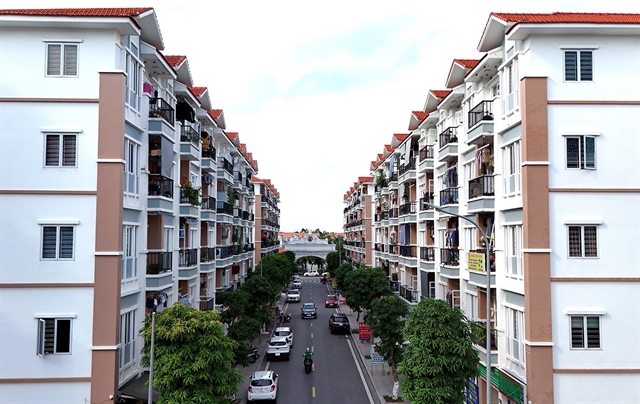
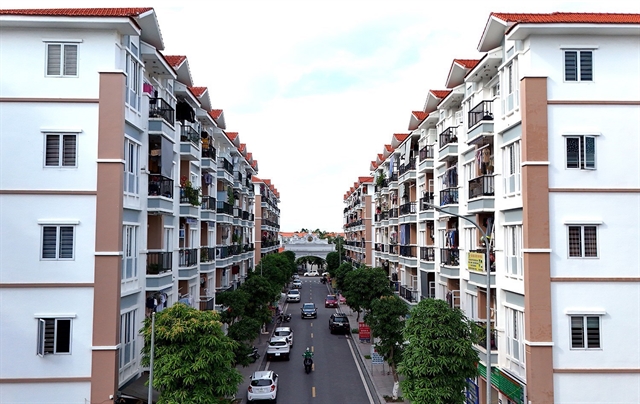
This is a pivotal legislative development aiming to solve one of Vietnam’s most pressing socio-economic challenges: the shortage of affordable housing. By creating a dedicated financial vehicle with clear capitalization and lending mechanisms, the Decree provides the “fiscal backbone” necessary to accelerate Social Housing development—a critical factor for the sustainable growth of industrial zones and the stability of Vietnam’s workforce.
The Fiscal Architecture: Key Highlights
Decree 142 delineates the operational framework of the Fund, transforming it from a policy concept into a functioning financial institution.
-
Fund Structure: The Fund operates on a local level (provincial/municipal) but follows a unified national legal framework. It functions as a state financial institution specifically for housing development, operating for non-profit purposes but with capital preservation principles.
-
Diversified Capital Sources: The Decree authorizes the Fund to mobilize capital from multiple channels, including:
-
State budget allocations.
-
Government bond issuance (Local government bonds).
-
ODA and concessional foreign loans.
-
Contributions from domestic and foreign organizations (Philanthropic or CSR sources).
-
-
Targeted Disbursement: The priority is strictly defined: lending to social housing developers (supply side) and providing preferential loans to low-income beneficiaries for purchasing/renting (demand side).
Strategic Analysis: Implications for Business & Investment
From a strategic consultancy standpoint, Lexora Partner identifies two major impacts on the investment landscape:
1. Stabilizing the Industrial Workforce (FDI Perspective)
For FDI manufacturers, the lack of worker accommodation near Industrial Parks (IPs) has caused high turnover rates and labor unrest.
-
Impact: The activation of the National Housing Fund will likely accelerate the construction of worker dormitories and low-cost housing. FDI enterprises can expect a more stable workforce in provinces that actively utilize this Fund. In the long run, this reduces recruitment and training costs for employers.
2. New Liquidity for Real Estate Developers
The real estate market has faced a “credit crunch.”
-
Impact: This Decree opens a new, low-cost capital channel for developers willing to engage in Social Housing projects. It signals a shift in profitability models: from high-margin luxury segments (which are volatile) to lower-margin but volume-driven and government-backed social housing segments (which are now more financially viable).
Lexora’s Perspective: The Road Ahead
At Lexora Partner, we view Decree 142 as a “green light” for Public-Private Partnerships in the housing sector.
We advise our clients to:
-
For Real Estate Developers: Re-evaluate your portfolio. With the commercial segment facing liquidity tightening, accessing the National Housing Fund for social housing projects could be a smart hedging strategy to maintain cash flow.
-
For Manufacturing FDIs: Consider partnering with local authorities or developers to advocate for housing projects dedicated to your workers, leveraging the funding mechanisms now available under this Decree as a negotiation tool.
Lexora Partner – Your strategic counsel in navigating Vietnam’s evolving Real Estate and Investment laws.
For specific advisory on Real Estate Capital & Licensing, please contact our team.
